HAYW D FAMILY EYE

Services

From kids to cataracts — every exam, every life stage.

Seven decades in Waynesville have shaped how we practice — comprehensive vision exams, medical eye care, contact lens fittings, pediatric work, dry eye therapy, surgical co-management, and round-the-clock emergencies. Whatever the chair or the chart calls for, four doctors and a calm, modern clinic are ready when you walk in.

What to expect

An unhurried hour, start to finish.

From the moment you sit in the chair to the moment we review your retinal images, each step is designed to feel calm — and to surface anything that matters.

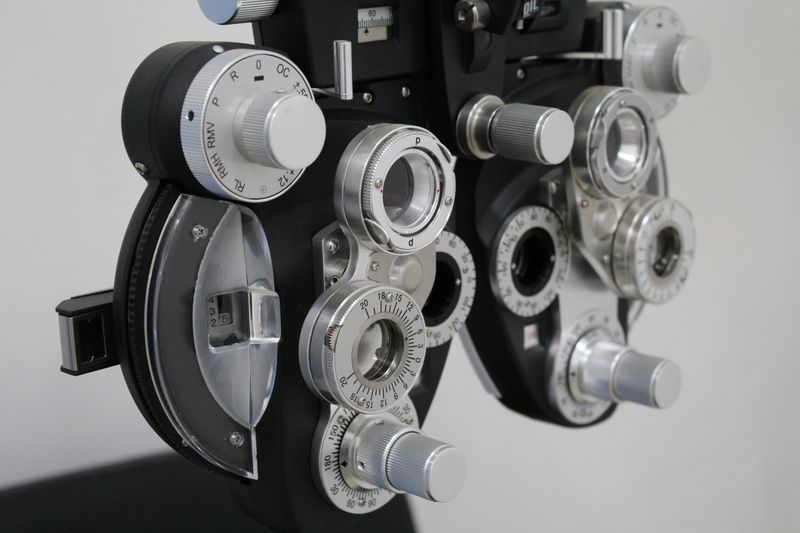
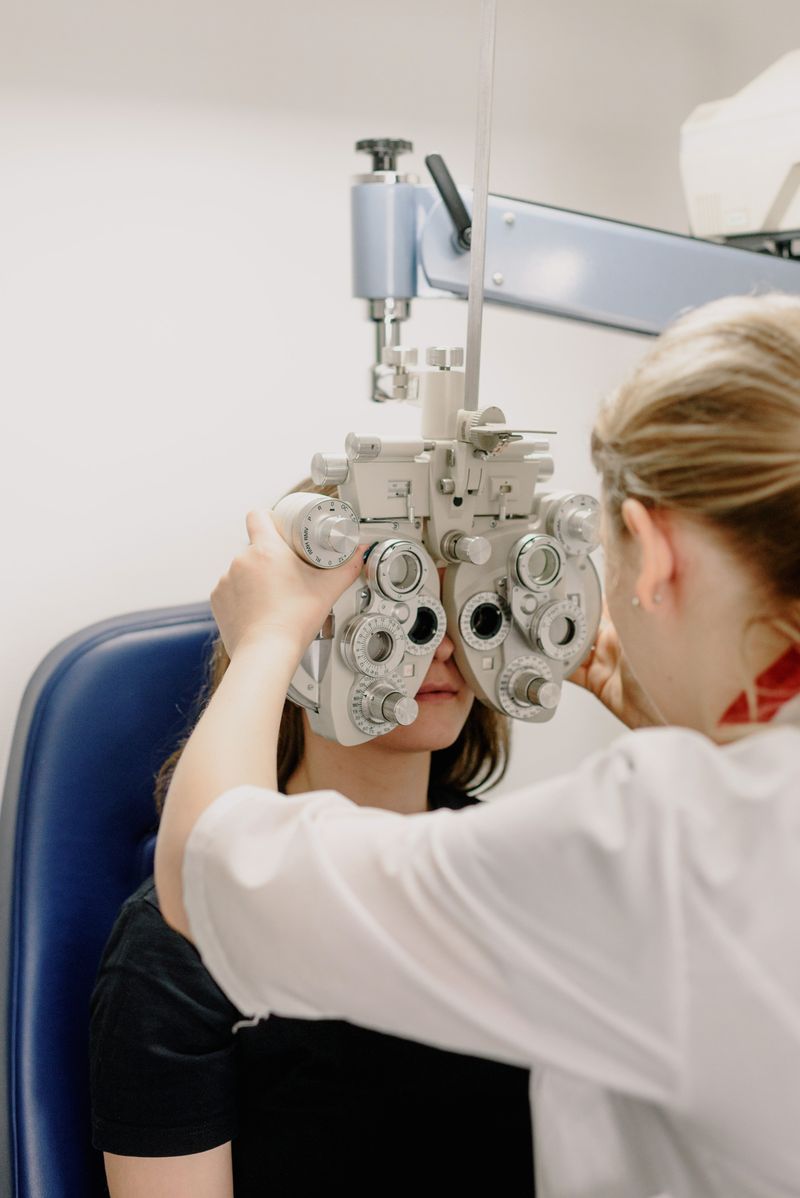
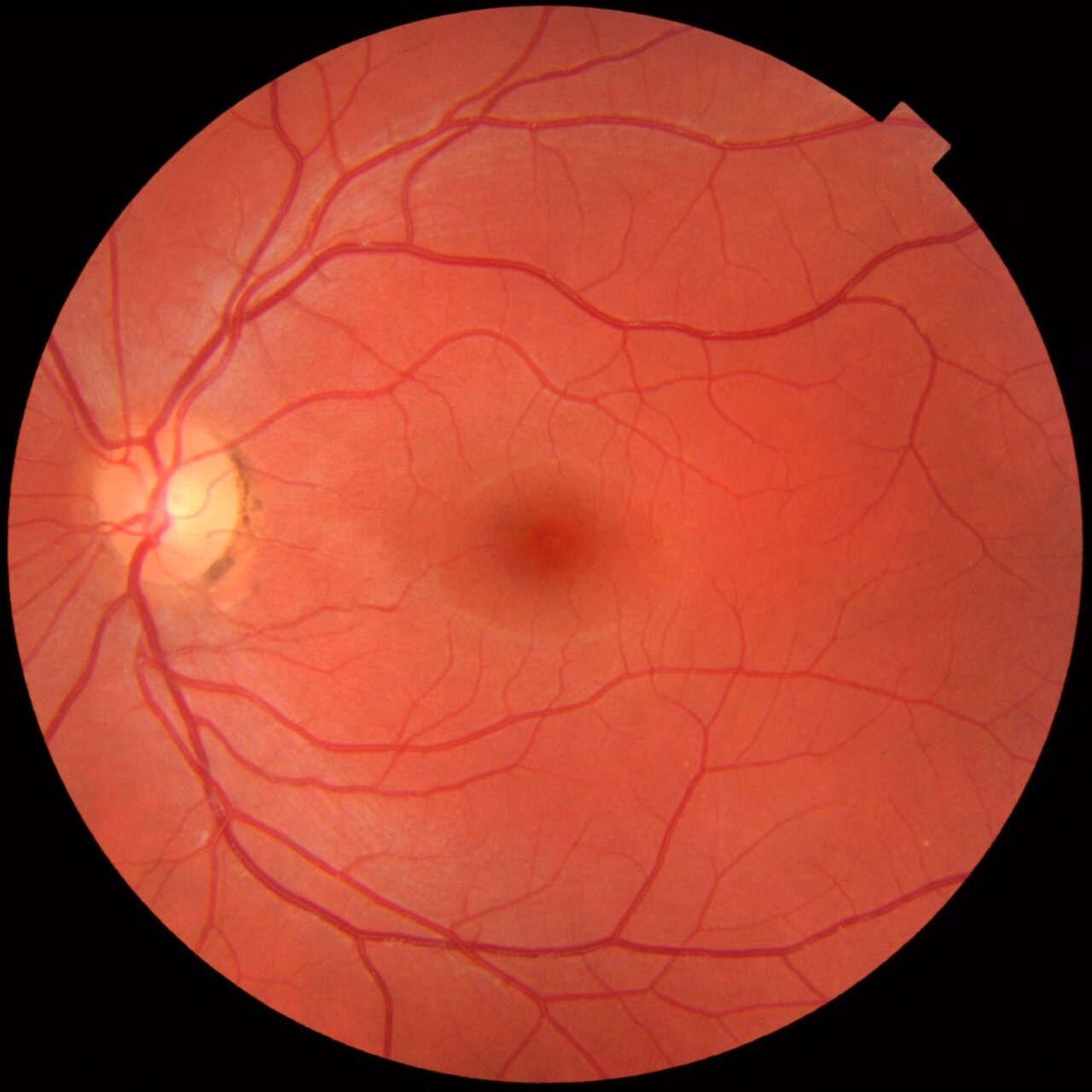
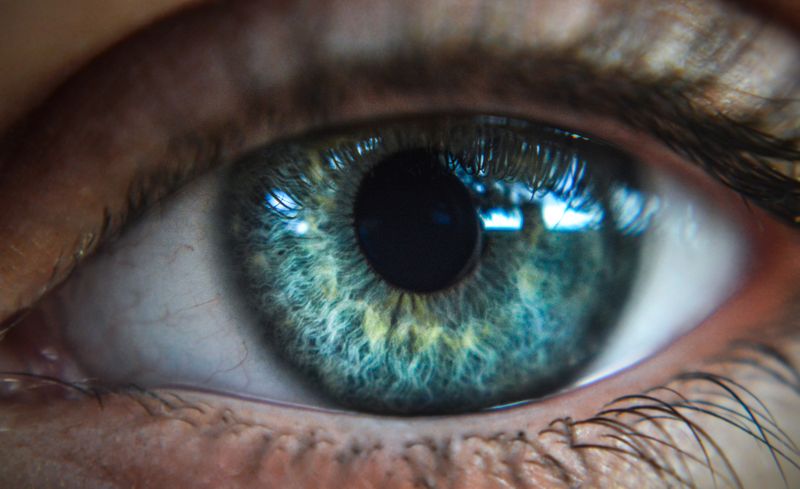
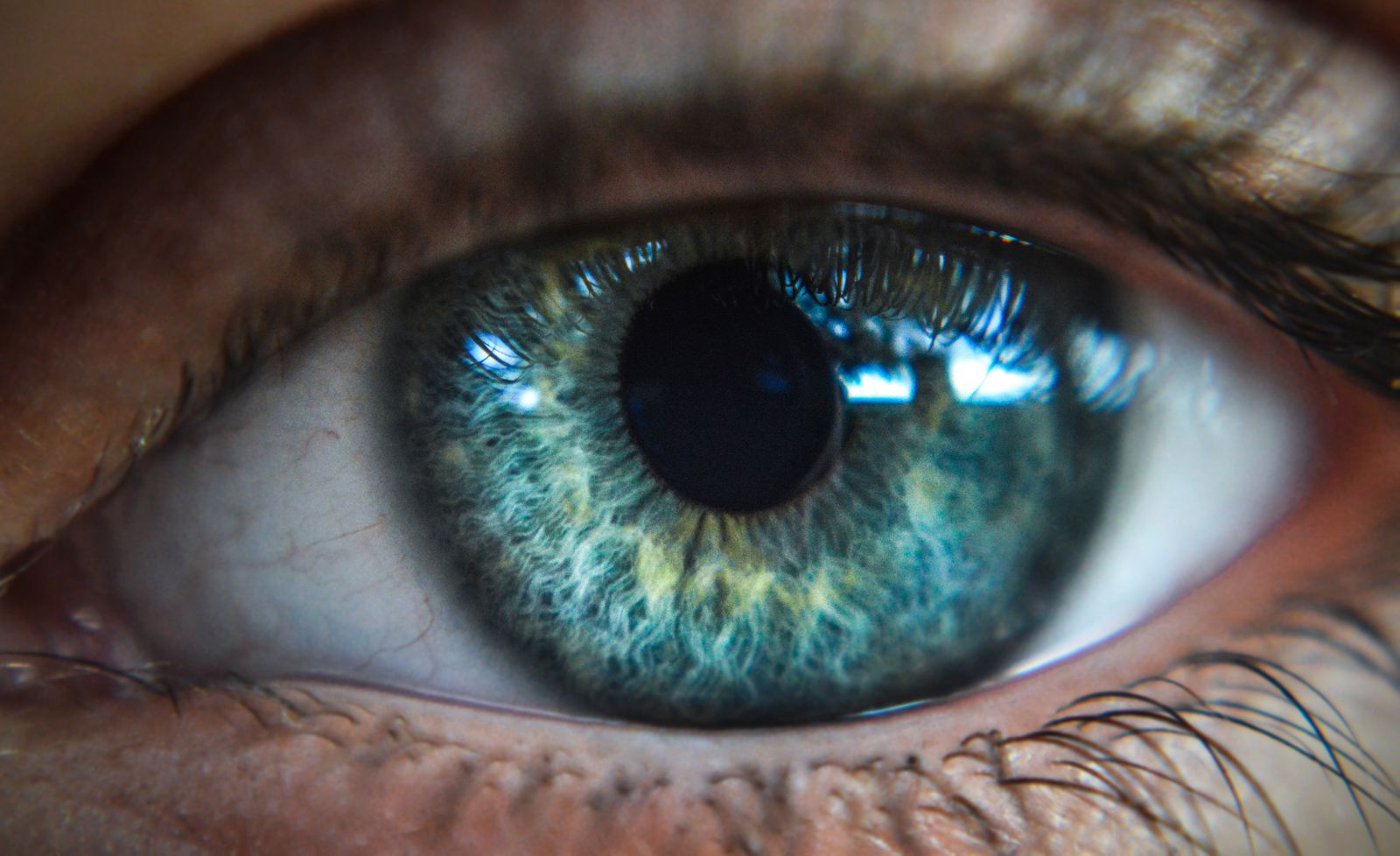
Phoropter measuring vision in a quiet exam room Optometrist examining a patient Color fundus photograph of a healthy retina Close-up macro photograph of a human eye

Service detail

A closer look at each appointment.

Every chair time is different. Tap a row to see what to expect, what we test for, and how we follow up.

01 · Annual care Comprehensive Eye Exams

A comprehensive exam is more than a glasses prescription. We measure visual acuity at distance and near, refine your refraction with a phoropter, and assess binocular alignment and depth perception. Tonometry checks intraocular pressure for glaucoma risk. Slit-lamp biomicroscopy inspects the cornea, lens, and lid margins under high magnification. A dilated or Optomap® widefield retinal scan lets us evaluate the optic nerve, macula, and peripheral retina — places where systemic disease often shows up first. Most exams take about an hour. Bring current glasses, your insurance card, and a list of medications, and we'll send a copy of your prescription home with you.

02 · Vision correction Contact Lens Fittings

A proper fitting starts with corneal measurements and a tear film evaluation — then we match the lens to your eyes, your prescription, and your lifestyle. We fit daily disposables (Alcon Dailies Total1, Precision 1), monthlies (CooperVision Biofinity, Alcon Total 30, Biotrue), toric lenses for astigmatism, multifocals for presbyopia, rigid gas-permeables, and medically necessary specialty designs for keratoconus, post-surgical corneas, and irregular astigmatism. Trial lenses come home with you for a real-world week before we finalize the prescription. Reorders are easy through Arrellio. Annual contact lens evaluations are required by federal law and protect long-term corneal health.

03 · From the start Pediatric Eye Care

The American Optometric Association recommends a first eye exam between 6 and 12 months, another at age 3, and then before kindergarten. Dr. Krempecki completed a residency in Child and Family Optometry and leads our pediatric care. We screen for amblyopia (lazy eye), strabismus (eye misalignment), refractive errors, and binocular vision dysfunction — issues a school screening can miss. Exam techniques are tailored by age: pictures and shapes for toddlers, letters once kids can read. We coordinate with pediatricians and schools when therapy or glasses are recommended. Parents leave with a clear plan and, when needed, kid-tested frames from our boutique.

04 · Urgent issues Emergency Eye Care

Call us first — most ophthalmic emergencies are better handled by an optometrist than the ER. Sudden vision loss, new flashes or floaters, eye pain, chemical splash, foreign body, and red or swollen eyes all warrant a same-day visit. We treat conjunctivitis, corneal abrasions, foreign body removal, iritis, and acute infections in office. For after-hours concerns, our answering service routes you to the on-call doctor. Don't wait if vision changes suddenly: a torn or detached retina is time-sensitive, and the difference between a phone call now and a clinic visit tomorrow can be the difference between full recovery and permanent loss.

Call (828) 456-8361

05 · Therapeutic care Dry Eye Treatment

Dry eye is multifactorial — meibomian gland dysfunction, aqueous deficiency, blepharitis, hormonal shifts, screen-heavy work, and rosacea can all contribute. We start with a comprehensive evaluation: tear film osmolarity, tear break-up time, meibography to image gland structure, and lid margin assessment. Treatment is matched to the diagnosis. Lid hygiene routines, warm compresses, omega-3 supplementation, prescription drops (Restasis, Xiidra, Cequa), punctal plugs, and in-office expression each have a role. Ongoing relief usually requires a layered plan rather than a single fix. We follow up at 4–6 weeks to confirm the strategy is working and adjust before symptoms return.

06 · Long-term monitoring Eye Disease Management

Chronic eye disease rewards consistent monitoring. We manage age-related macular degeneration with AdaptDx® dark-adaptation testing — sensitive enough to catch AMD up to three years before vision changes. Glaucoma care includes baseline visual field, OCT of the optic nerve, and serial pressure checks. Cataract progression is tracked at the slit lamp and we time surgical referral so you're not waiting too long or operating too soon. Diabetic patients receive annual dilated retinal evaluation with Optomap® documentation we share with your endocrinologist. The goal is the same in every case: catch change early, treat decisively, and preserve sight for the long arc of life.

07 · Surgical partnership Refractive & Cataract Co-Management

Co-management means you have a familiar doctor on each side of surgery. We complete the pre-operative evaluation — biometry, corneal topography, dry eye optimization, IOL discussion — and refer to a regional surgeon we trust. After LASIK, PRK, or cataract surgery, follow-up exams happen here in Waynesville rather than two hours away. Drs. Pinkston and McBride both bring residency-level training in refractive surgery and ocular disease, which means we can identify early postoperative concerns and coordinate directly with the surgeon if anything needs attention. Most patients appreciate the continuity: same exam room, same chart, same team that knew their eyes before surgery and after.

Eye health

Conditions we manage.

Five of the most common — and most consequential — diagnoses we see in the chair. Each is monitored with the technology that detects change early.

Retina

Age-related Macular Degeneration

AMD comes in two forms — dry, the slow drusen-driven type, and wet, where abnormal vessels leak under the macula. Our AdaptDx® 10-minute dark-adaptation test detects subclinical disease up to three years before symptoms. Optomap® widefield imaging documents the retina at every visit so we can compare year-over-year and refer for anti-VEGF therapy the moment it's warranted.

Optic nerve

Glaucoma

Glaucoma quietly thins the optic nerve, usually without symptoms until peripheral vision is gone. We screen with tonometry, OCT nerve-fiber analysis, and threshold visual field testing. Open-angle disease is common and slow; angle-closure is rarer but urgent. Treatment ranges from once-daily pressure-lowering drops to selective laser trabeculoplasty to surgical drainage — chosen and adjusted over time based on progression.

Lens

Cataracts

A cataract is the natural lens of the eye gradually clouding with age. Diagnosis is straightforward at the slit lamp; the harder question is when to operate. Early cataracts respond well to an updated glasses prescription and good lighting. When glare, halos, or fading colors begin to limit driving and reading, we coordinate cataract surgery with a regional surgeon and handle pre- and post-operative care here in Waynesville.

Systemic

Diabetic Retinopathy

Diabetic retinopathy is the leading cause of vision loss in adults with diabetes — yet it's largely preventable with annual dilated exams and tight blood-sugar control. Microaneurysms, dot-blot hemorrhages, and macular edema are detected and documented with Optomap® imaging. We share findings directly with your primary care provider or endocrinologist so treatment moves in step with your overall health plan.

Ocular surface

Dry Eye

Dry eye is rarely just one thing. Meibomian gland imaging shows us the architecture of the oil-producing glands in the eyelid, while tear-film osmolarity quantifies the chemistry. Together they tell us whether the issue is evaporative, aqueous-deficient, inflammatory, or some combination — and that diagnosis drives a layered treatment plan that gives durable relief rather than temporary comfort.

Technology

Diagnostics that find disease early.

Two technologies do disproportionate work in our exam rooms. Optomap® ultra-widefield retinal imaging captures roughly 200 degrees of the retina in a single scan — no dilation required for most patients — giving us a detailed baseline to compare year over year. AdaptDx® measures dark adaptation, the eye's ability to recover from bright light, and detects age-related macular degeneration up to three years before symptoms appear.

Pair them with OCT, visual field testing, slit-lamp biomicroscopy, and meibomian gland imaging, and the result is straightforward: small changes get caught while they're still small.

Fundus photograph of a healthy retina showing optic nerve, macula, and surrounding vessels

Fundus photograph — the kind of detailed retinal view Optomap® captures at every comprehensive exam.

Schedule

Ready when you are.

Online booking, 24/7. Most insurance accepted.