Blog
Notes from the exam room.
Plain-English answers to the questions we hear most.
Our doctors share the explanations they give patients every week — what dilated exams really show, when kids should be seen, how to pick frames that work for your face, and why screen-time fatigue is so common. Short reads, written like we talk in the chair.


Featured article
The piece patients ask about most.
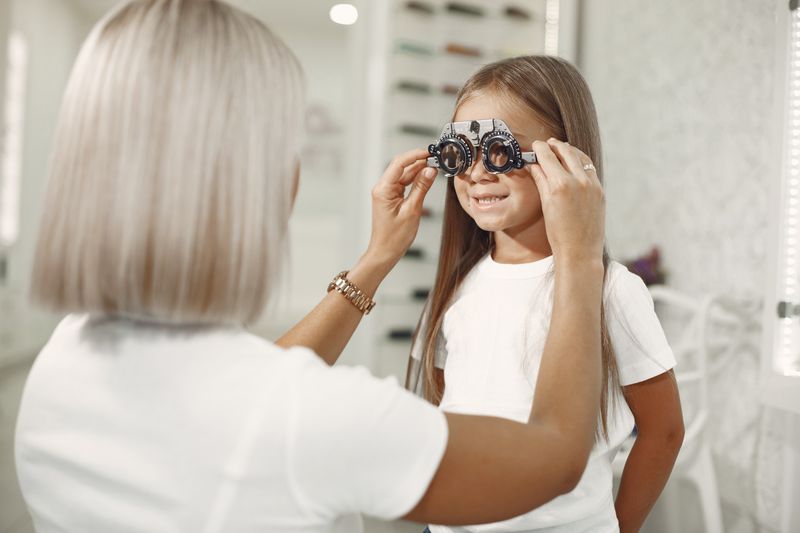
A long-form answer from Dr. Krempecki — what new parents in Waynesville want to know before they bring a little one in.

Pediatric
Quiet signs your child might need glasses.
Children rarely say their vision is blurry — they simply adapt. The signs to watch for are behavioral: squinting, head tilts, eye rubbing after homework, sitting unusually close to the screen, and a slow drift away from books. Here is what Haywood County parents should look for, and why a school screening is not the same as a comprehensive exam.
 Dr. Amy Krempecki, O.D.
Recent articles
From the last few months.
Short, practical pieces — written by our doctors for the patients who walk through our door.

Eye Health
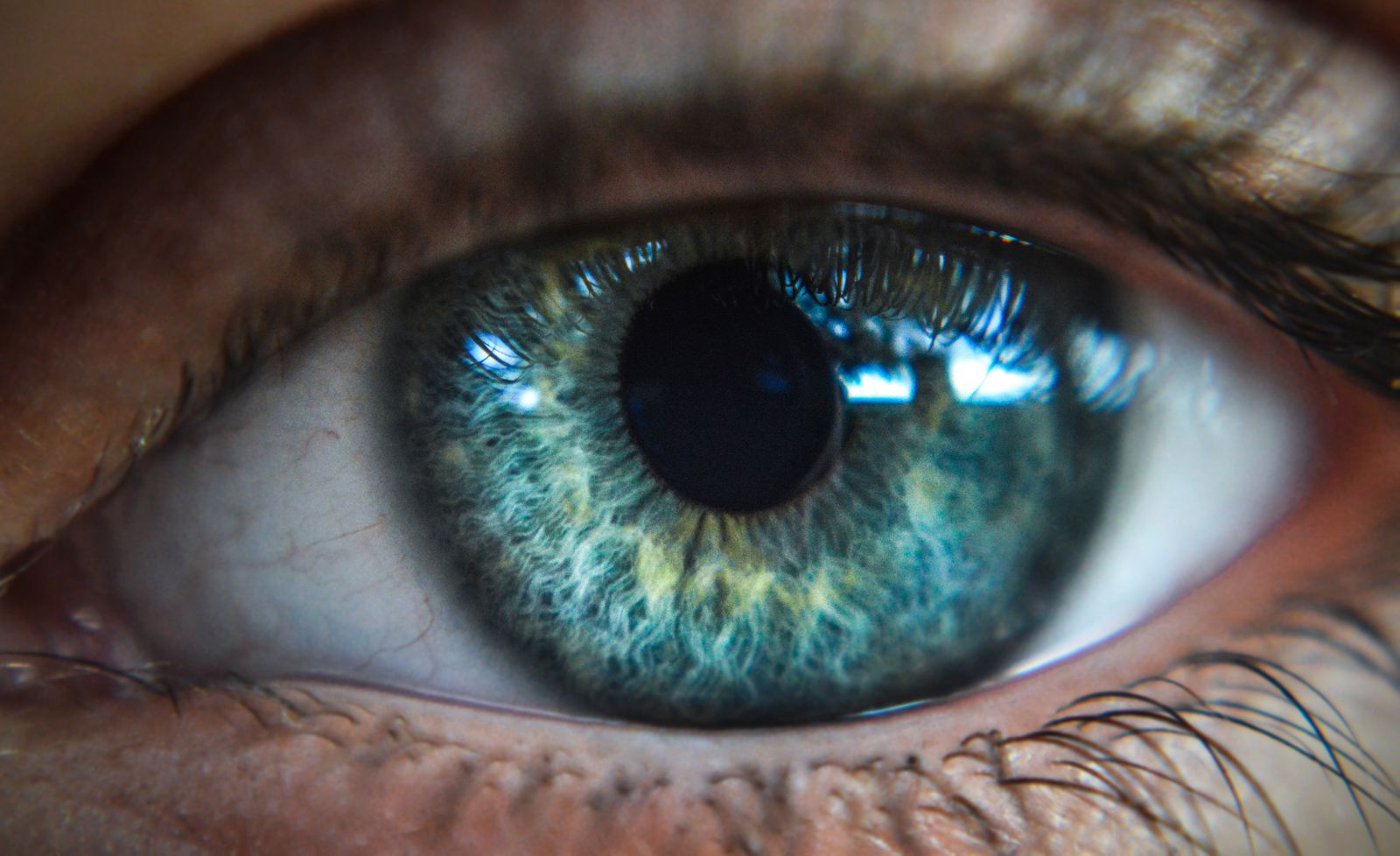
Dry eye in the mountains: why Blue Ridge weather makes it worse
Wind, elevation, wood-stove heat, and ragweed all conspire against the tear film. Here is what helps in a Waynesville house — and when meibomian gland imaging is the right next step.
Vision Tips
20-20-20: the rule that fixes most computer-vision complaints
Every twenty minutes, look at something twenty feet away for twenty seconds. The simplest, cheapest treatment we prescribe — and why it works.
Contact Lenses
Daily, monthly, or extended-wear: which contact schedule fits your life?
Honest pros and cons of each schedule, cost-per-day math, and the case for dailies if you ever forget to clean a lens. Plus: when never to sleep in contacts.

Eye Health
Macular degeneration: what every family with history should ask
AMD is partly genetic and almost entirely silent until it isn't. The AdaptDx® ten-minute test, AREDS2, and the questions worth bringing to your next exam.

Practice News
Vision insurance vs. medical insurance: which one pays for what
Vision plans pay for routine exams and eyewear. Medical plans pay for diagnosing and treating eye conditions. How a "routine exam" can quietly become a "medical visit" — and what that means for your wallet.
Eye Health
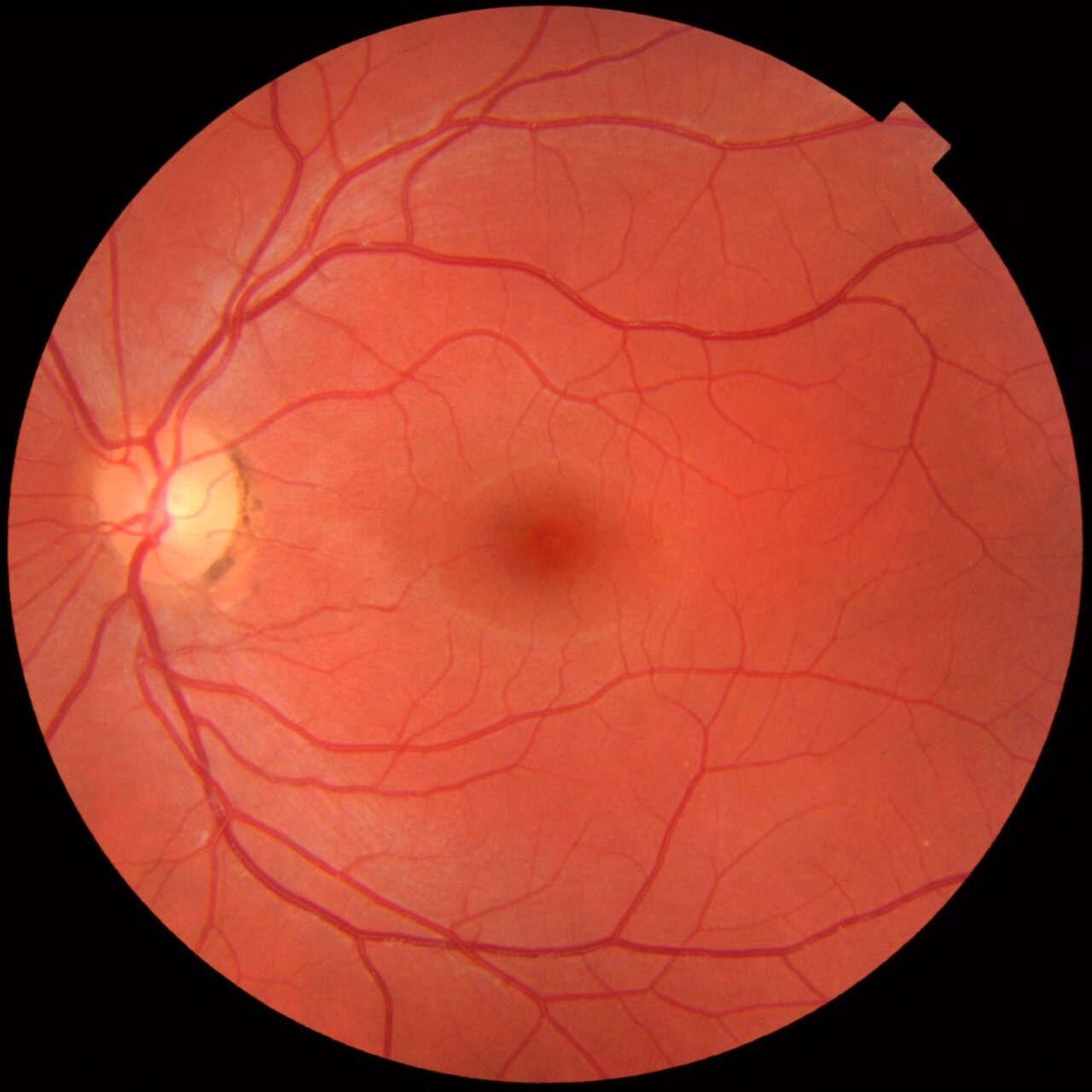
Why your endocrinologist sends diabetic patients to the eye doctor
Diabetic retinopathy is the #1 cause of vision loss in working-age adults — and silent in early stages. What the retinal photos show, and how findings get back to your PCP.
Browse by topic
Newsletter
A short note, once a month.
New articles, seasonal eye health reminders, and the occasional update from our optical boutique. No noise.
We respect your inbox. Unsubscribe anytime by replying.
Schedule
Ready when you are.
Online booking, 24/7. Most insurance accepted.